Field service roots
Sensus began by helping utility and industrial operators keep meters, gauges and portable detection instruments usable in daily work, where downtime creates pressure and missing records create avoidable questions.

About Sensus
Our work sits between the sensor and the certificate, where practical details decide whether a reading is useful in the field and defensible in a review.
Company Story
Sensus began by helping utility and industrial operators keep meters, gauges and portable detection instruments usable in daily work, where downtime creates pressure and missing records create avoidable questions.
The catalog expanded into fixed gas detection, water metering, heat metering and process measurement, so customers could align safety, billing and environmental evidence under a more consistent support model.
Selection support was rebuilt around range, approval region, calibration path and acceptance notes, because many buying teams had already learned that a datasheet alone is not enough.
Sensus now supports multi-site buyers that need practical recommendations, clear substitutions and service records that travel cleanly between procurement, maintenance and compliance stakeholders.
We tell customers when a cheaper instrument creates calibration, approval or service headaches later. Friendly guidance is not softer guidance; it is clearer guidance.
Field teams inherit pipework, zones, meter pits, utility cabinets and maintenance windows. Sensus recommendations are shaped around those constraints instead of pretending each project starts fresh.
Certificates, uncertainty statements, service notes and approval references are treated as part of the product experience, not paperwork added after the real work is done.
Advisory Team
The Sensus team is organized around application questions rather than product silos. A utility buyer may start with meter reading workflows, while an HSE manager may start with gas type, alarm philosophy and confined-space permits. Both receive a guided route to the instruments and service records they need.
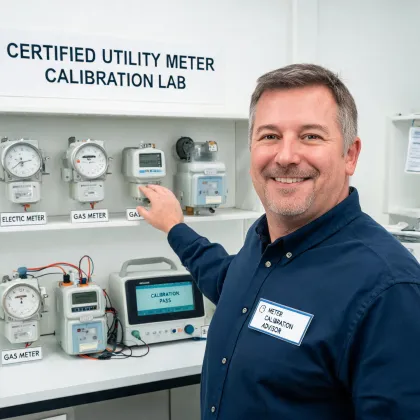
Water and heat meter selection, reading workflows, MID and EN 1434 evidence packs.
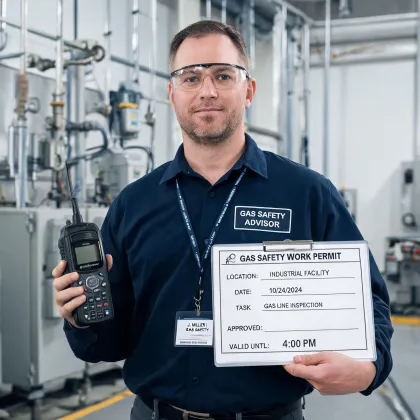
Portable and fixed gas detection, ATEX/IECEx expectations and bump-test routines.
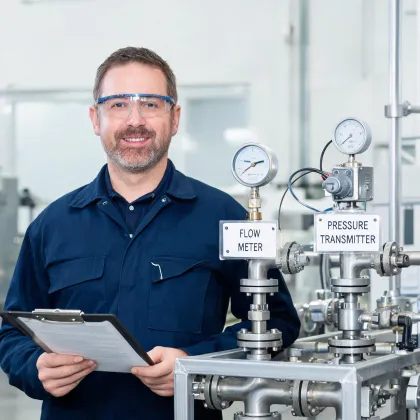
Flow, pressure, level and temperature instruments reviewed against range, media and site approvals.
We will help connect product choice, service interval and documentation expectations before you commit to a specification.